





Leaders in the East Anglian construction industry have voiced mixed reactions over this week’s Budget – arguing the chancellor has not gone far enough to support the sector.
Rachel Reeves outlined her new policies to the nation on Wednesday, November 25, with the sector having held out hope for reforms to planning, help for first-time buyers and support for SME contractors.
Headline announcements include a £48m investment in the planning system – including recruiting 350 new planners nationally – alongside increases to both the national living and minimum wages.
Mrs Reeves also referred to infrastructure as the “backbone of economic growth across our country” in her address.
While some of her announcements have been praised, leaders in the local industry said more is needed to unlock the sector’s true potential.
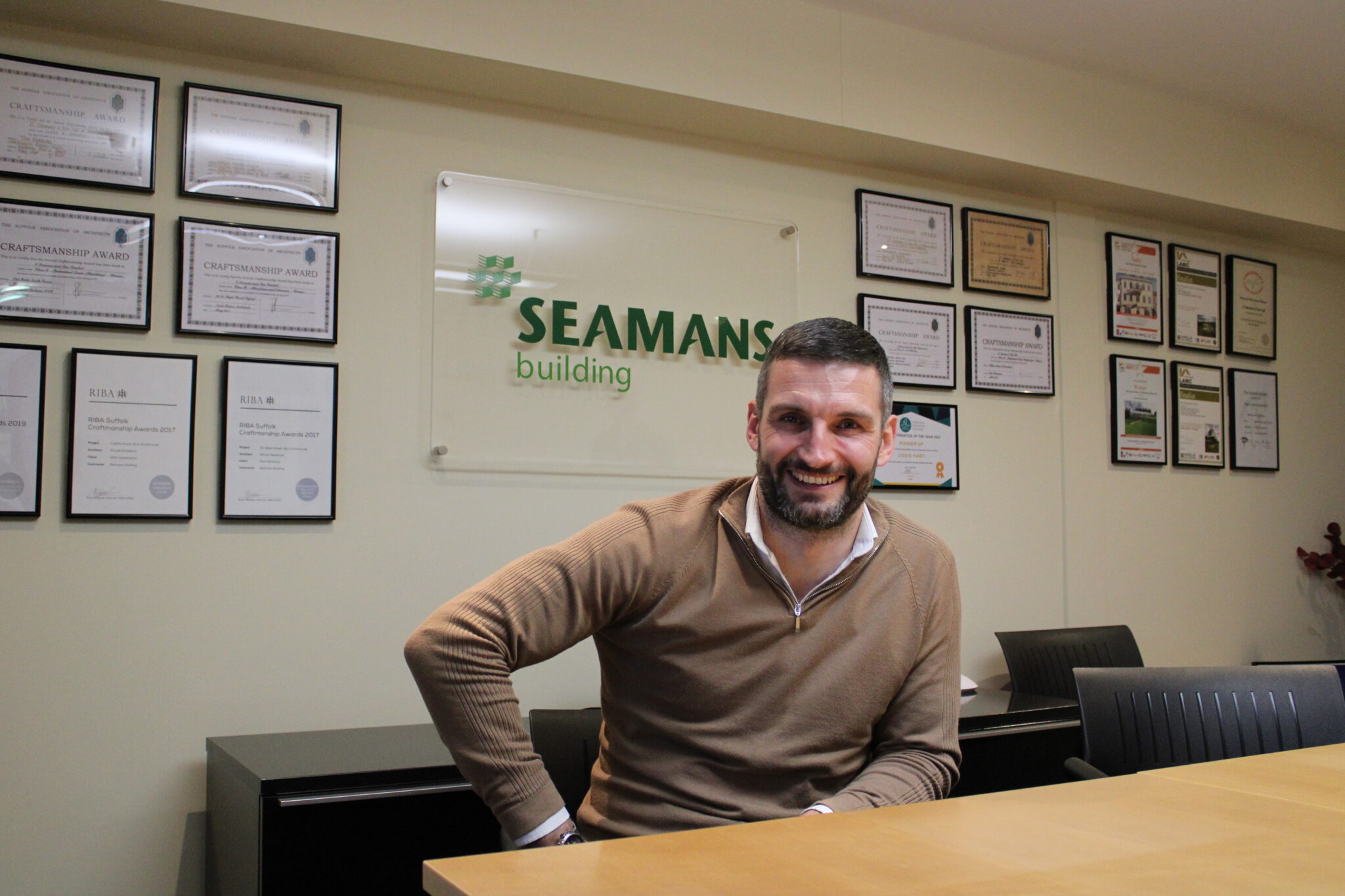
Adam Cummings, Commercial Director of Suffolk-based Seamans Building, said while it offered “some positives”, the Budget “fell short of what construction in East Anglia actually needs”.
He added: “Keeping full expensing is useful, but without including leased plant, most SMEs won’t feel it. Infrastructure was ‘reconfirmed’ rather than accelerated – our region needs delivery, not recycled announcements.
“Planning is still the real bottleneck. Talk of speeding things up means nothing without properly resourced planning departments. The delays holding back schools, housing and community projects aren’t on-site; they’re in the approvals system.
“Support for housing, regeneration and energy efficiency is welcome but modest. Without a long-term skills plan or a clear retrofit strategy, we’re still building in spite of the system, not because of it.
“In short, this Budget doesn’t damage construction, but it doesn’t unlock its potential either. What East Anglia needs is exactly what we said before: certainty, fairness and a planning system that works.
“Give us that, and firms like Seamans will keep delivering the buildings our communities rely on.”
The region’s housebuilders have responded in a similar tone, voicing concerns that further support will be needed to help the government hit its housing targets.

Sam Brown, Managing Director of Essex-based Rose Homes for Life, said: “The Autumn Budget falls short for our industry. Small steps in boosting planning capacity and supporting apprenticeships do little to address the core challenges we’re facing.
“Rising labour costs, frozen tax thresholds, and the ongoing absence of real help for first-time buyers – crucial for stimulating demand – only increase the strain on construction and housebuilding businesses already grappling with viability concerns.
“The government talks about future growth, yet provides almost nothing that enables us to build homes today.
“Without bold and immediate action, the obstacles preventing us from delivering the housing the country needs will remain firmly in place.”

Lee Barnard, CEO Denbury Homes, said the lack of specific support for housebuilders feels like a “missed opportunity”.
He added: “It is disappointing to see that, as feared, there is no help pledged for first time buyers and only minimal reference to the housebuilding industry.
“Without support at the first stage of home ownership we risk seeing the housing market stagnate.
“The Help to Buy equity scheme provided an essential stepping stone for those trying to get onto the housing ladder. Failing to bring forward any new scheme or support for this specific section of the market is a missed opportunity and one that impacts not only buyers but resonates throughout the supply chain through reduced employment and slower growth.
“We welcome the positive impact increases in national minimum wage and living wage will have on individuals. But we are aware that the further increase in costs due to the impact of these rises throughout our supply chain comes at a time when we are also facing an additional burden from the Building Safety Levy and the introduction of the Future Homes Standard.
“Twelve weeks of rumour and speculation, leaks and trails, have had a negative impact on the last quarter of 2025, causing uncertainty and indecision amongst individuals and businesses.
“I hope that lessons are learnt from this and we don’t experience the same ‘fiscal fandango’ next year.”
Are you a leader in the construction sector who wants to voice your views on the news affecting our industry locally? Contact our newsroom today via info@constructionanglia.com.
