




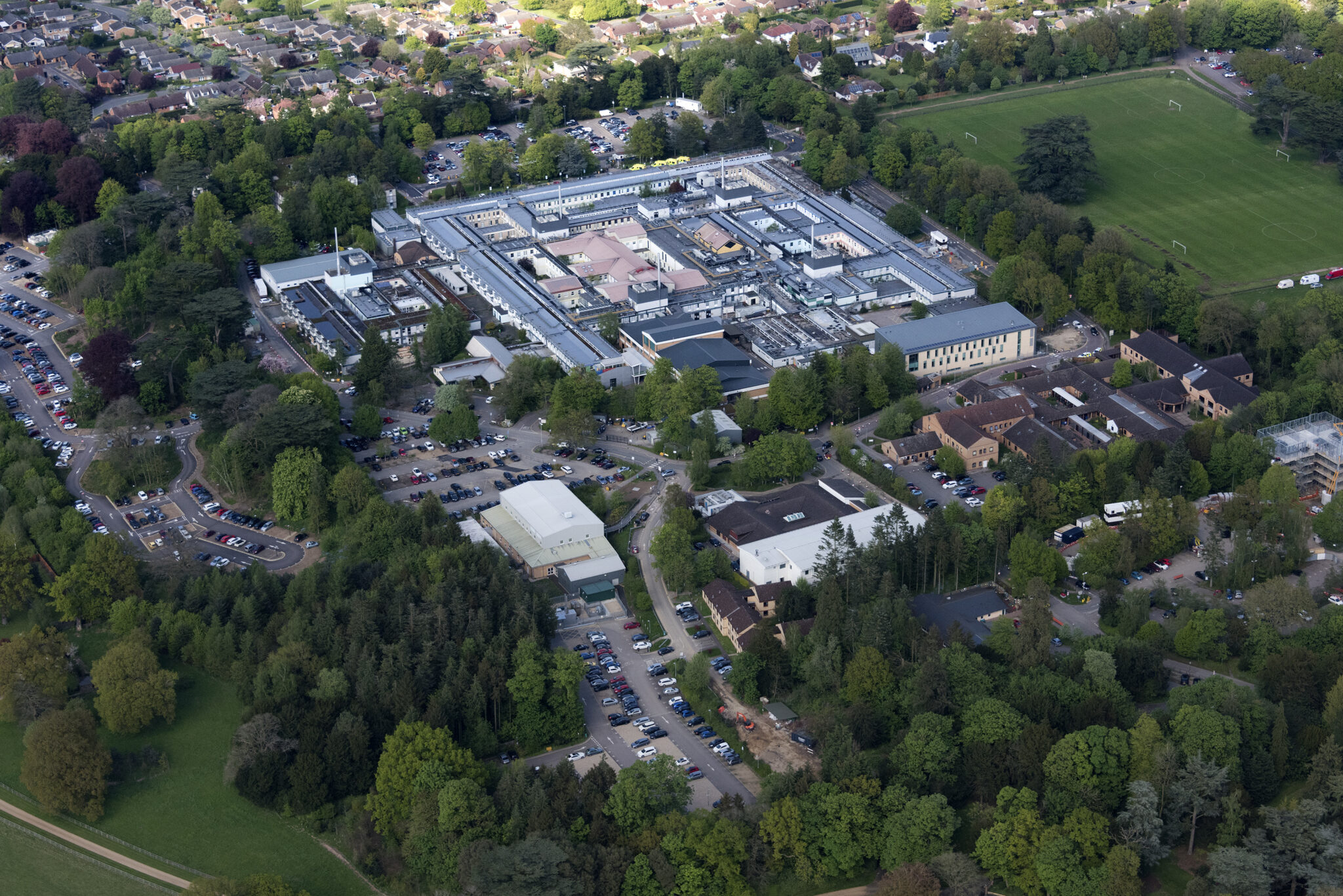
Work to rebuild or upgrade eight hospitals in the East of England – including four built with crumbling RAAC concrete – are years behind schedule, according to an independent government watchdog.
A new report from the National Audit Office (NAO) has predicted works on the eight hospitals, which form part of the New Hospital Programme (NHP), are likely to be delayed by between one and four years.
That includes four hospitals affected by RAAC concrete requiring a full rebuild, with one, West Suffolk Hospital, now estimated to be three years behind its original 2030 deadline.
Which hospitals are affected?
- James Paget Hospital, Great Yarmouth (RAAC) – original deadline of 2030, predicted to be delayed until 2032.
- Hitchingbrooke Hospital, Huntingdon (RAAC) – original deadline of 2030, predicted to be delayed until 2032.
- Queen Elizabeth Hospital, King’s Lynn (RAAC) – original deadline of 2030, predicted to be delayed until 2032.
- West Suffolk Hospital, Bury St Edmunds (RAAC) – original deadline of 2030, predicted to be delayed until 2033.
- Cambridge Cancer Research Hospital – original deadline of 2028, predicted to be delayed until 2030.
- Milton Keynes Hospital – original deadline of 2030, predicted to be delayed until 2031.
- Princess Alexandra Hospital, Harlow – original deadline of 2035, predicted to be delayed until 2039.
- Watford General Hospital – original deadline of 2035, predicted to be delayed until 2038.
The NHP was first unveiled in 2020 as part of efforts to deliver 40 new hospitals by 2030 but was revised by the Labour government in 2025.
That revision prioritised the seven hospitals nationwide affected by RAAC – a weaker alternative to reinforced concrete used extensively between the 1950s and 1990s.
In its new report, the NAO said the revision put the programme on a “more realistic, stable, long-term footing” but added the estimated price of the scheme has risen by £33.8 billion to £60bn.
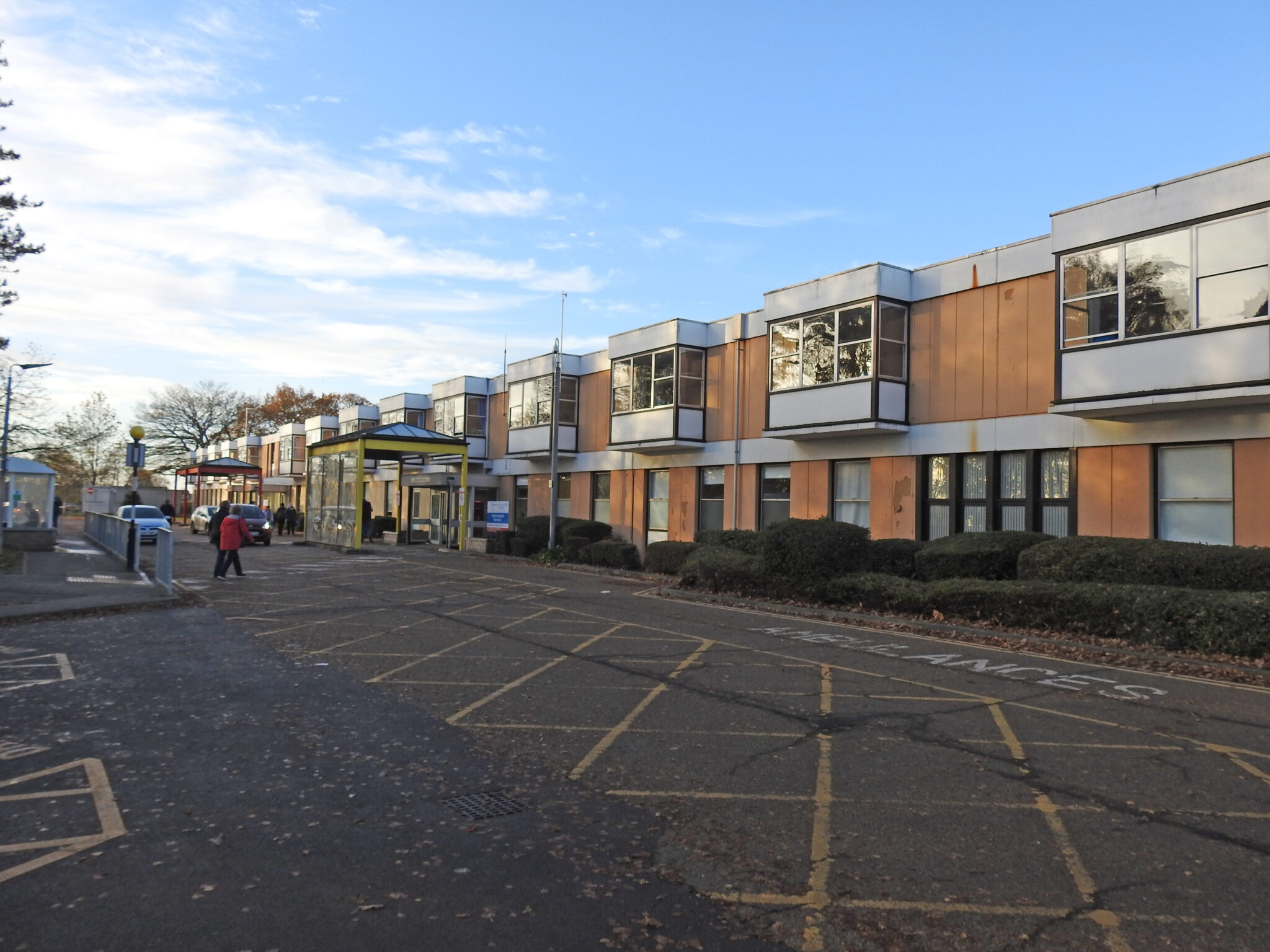
Despite the rise, the organisation said the Department of Health and Social Care (DHSC)’s new approach gives the government a “firmer platform” to deliver improvements.
Gareth Davies, Head of the NAO, said: “The reset of the New Hospital Programme gives the Department a firmer platform to deliver long‑term improvements, and its ambition to transform hospital infrastructure has real potential provided designs are rigorously tested and programme delivery is well managed.”
Sir Geoffrey Clifton-Brown, Chair of the Committee of Public Accounts, added: “New hospitals are desperately needed to address the longstanding backlog of investment.
“DHSC’s more centralised approach has the ability to deliver a greater return on investment, enhanced digital technology and improved emergency performance, with the longer-term funding commitment helping to secure increased commercial interest.
“However, further delays in fully addressing crumbling RAAC in hospitals pose significant clinical and cost risks, which must be addressed as a matter of urgency.
“It is imperative that DHSC maintains rigorous oversight over the programme so that patients and clinicians do not wait even longer for their new hospitals to be completed.”
DHSC was approached for comment.
