




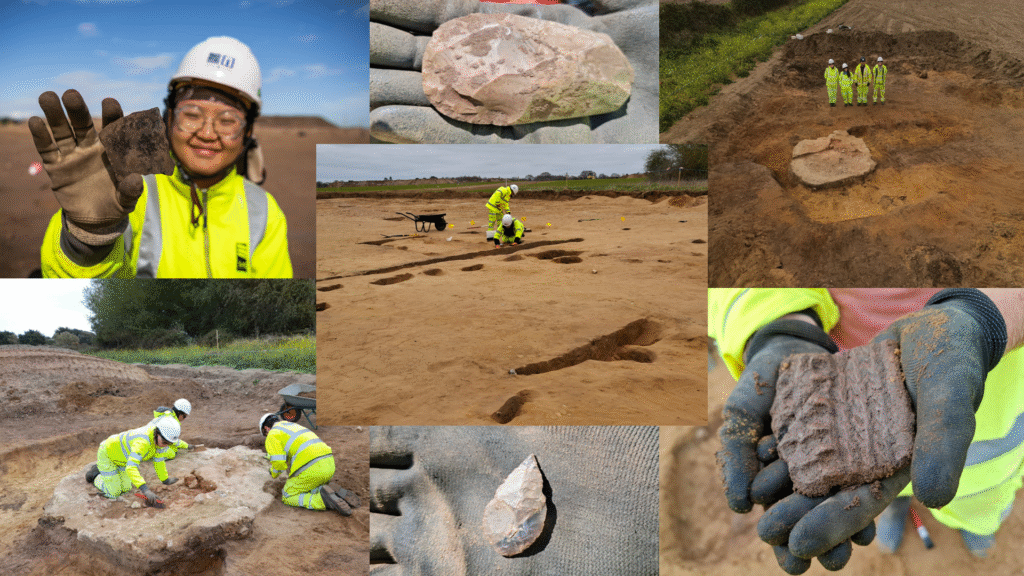
Archaeologists working on the site of a new Suffolk wind farm for ScottishPower Renewables have unearthed an Anglo-Saxon village.
The team of 90 archaeologists from MOLA-Wessex Archaeology discovered the early medieval village beneath East Anglia TWO in Friston, near Saxmundham.
The village spanned an area of more than 24 hectares – the size of 17 football pitches – and included several homes and social hubs.
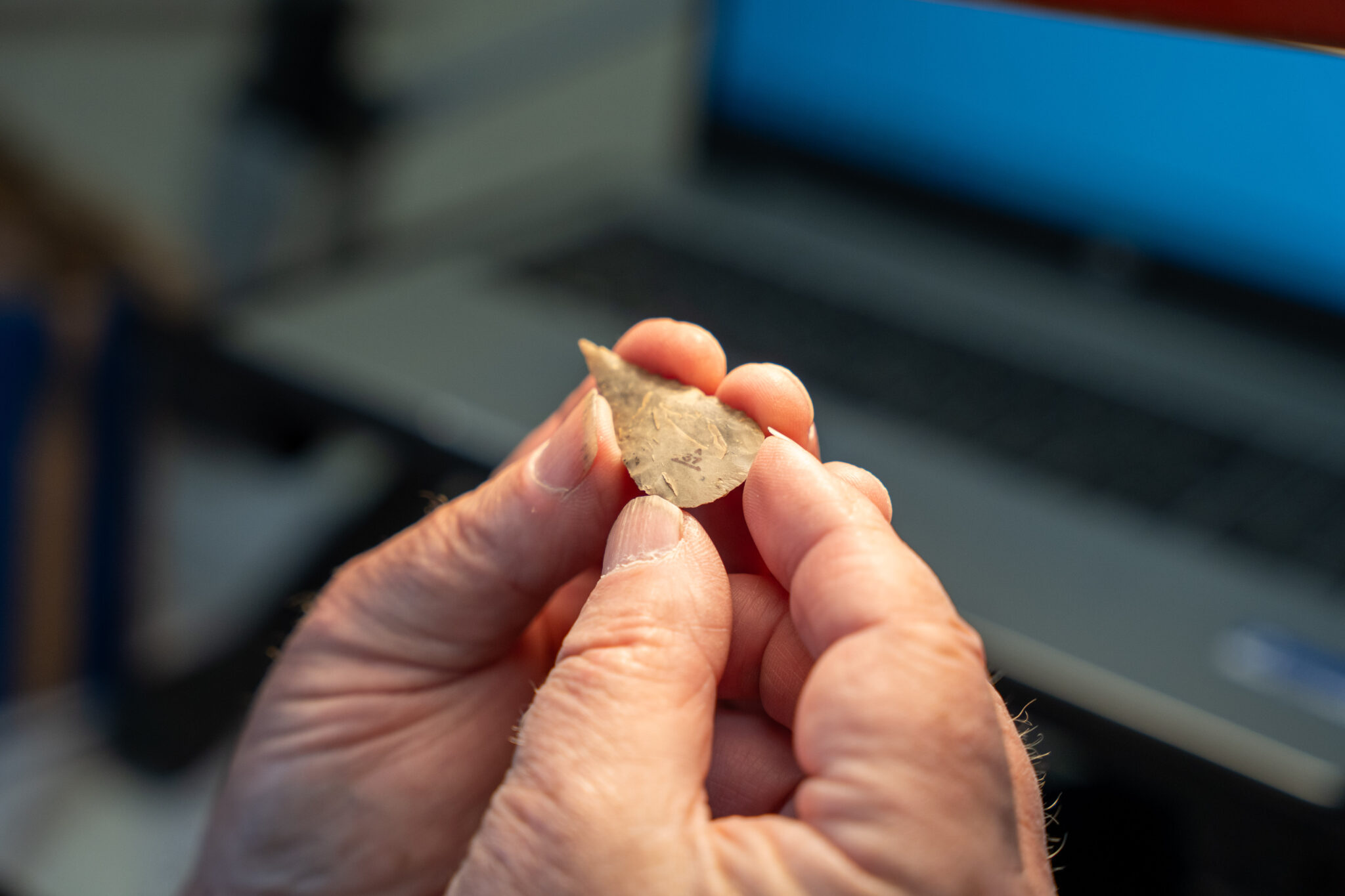
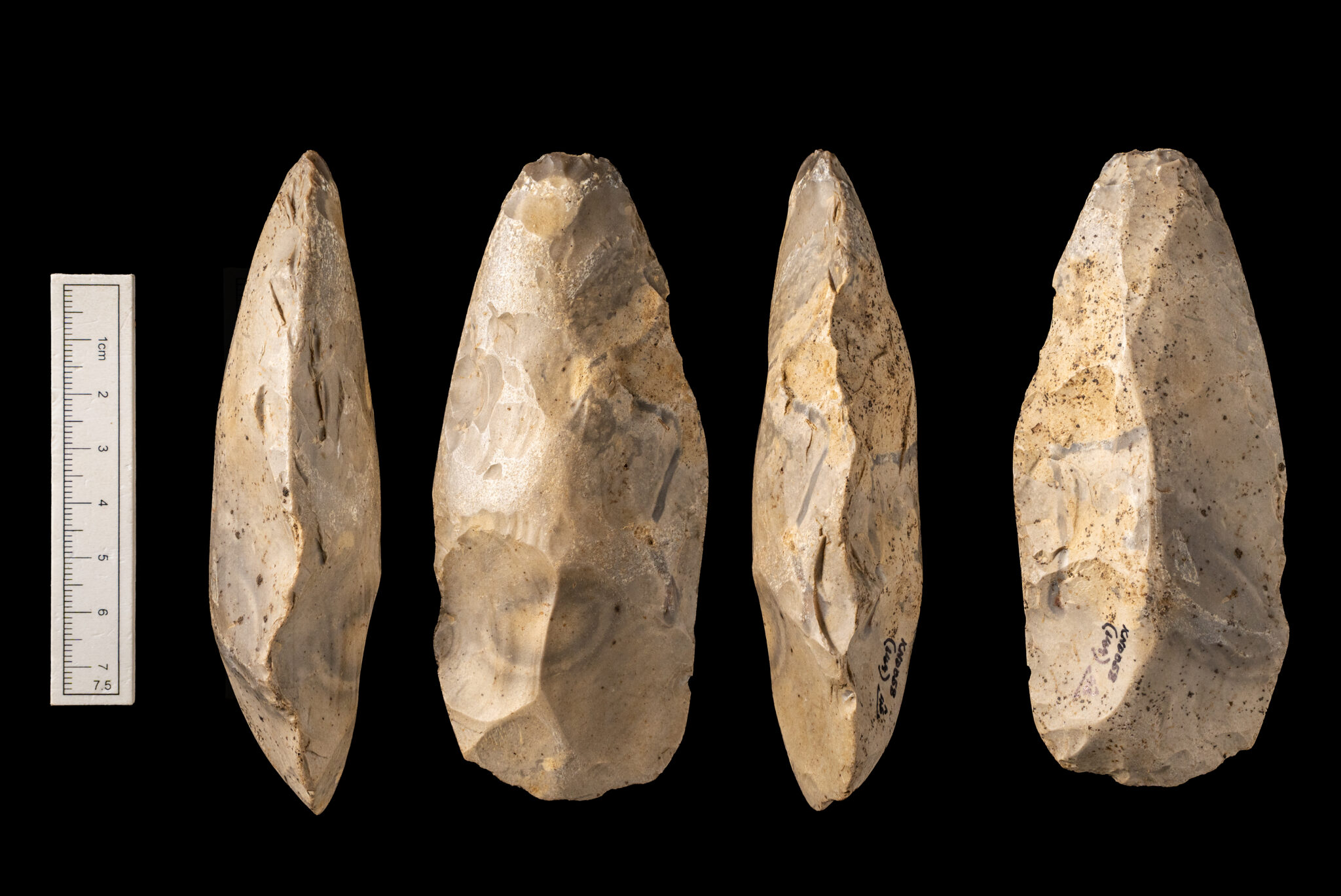
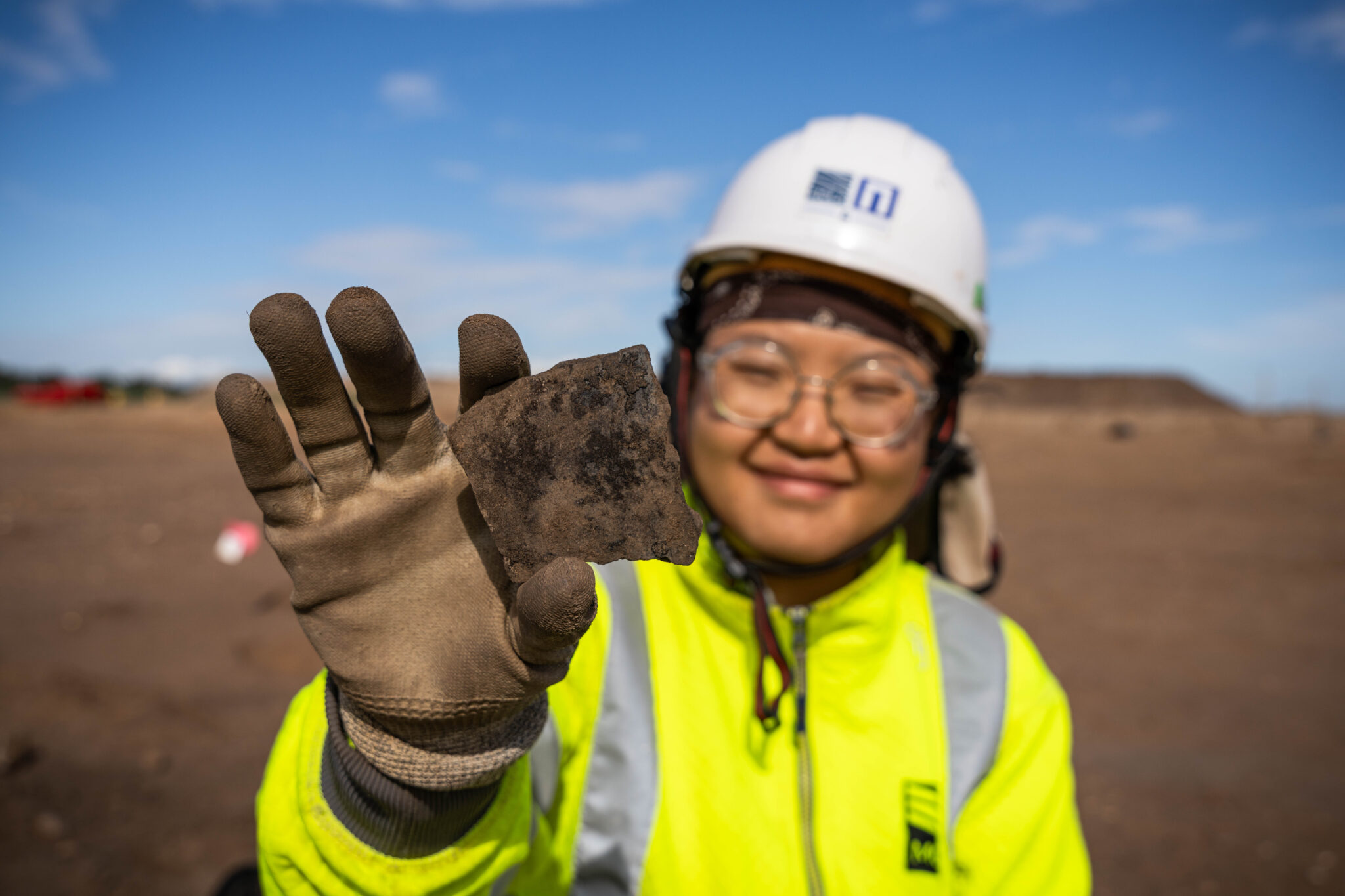
Other discoveries made on the site include prehistoric arrowheads up to 6,000 years old, roman pottery and medieval kilns evidencing the region’s pottery history.
Matthew Ginnever, Senior Project Manager at MOLA-Wessex Archaeology, said: “The archaeological programme is already proving there is much to uncover about the history of East Anglia and its past populations.
“These sites were always rural, but they were by no means isolated. We’ve discovered pottery associated with the ‘Beaker folk’, who lived across Europe in the early Bronze Age and brought new cultures and ideas to Britain.
“This suggests locals were in contact and trading with groups on the continent more than 3,000 years ago.
“We look forward to adding more details like this to the rich tapestry of East Anglia’s heritage as our work on the project continues.”
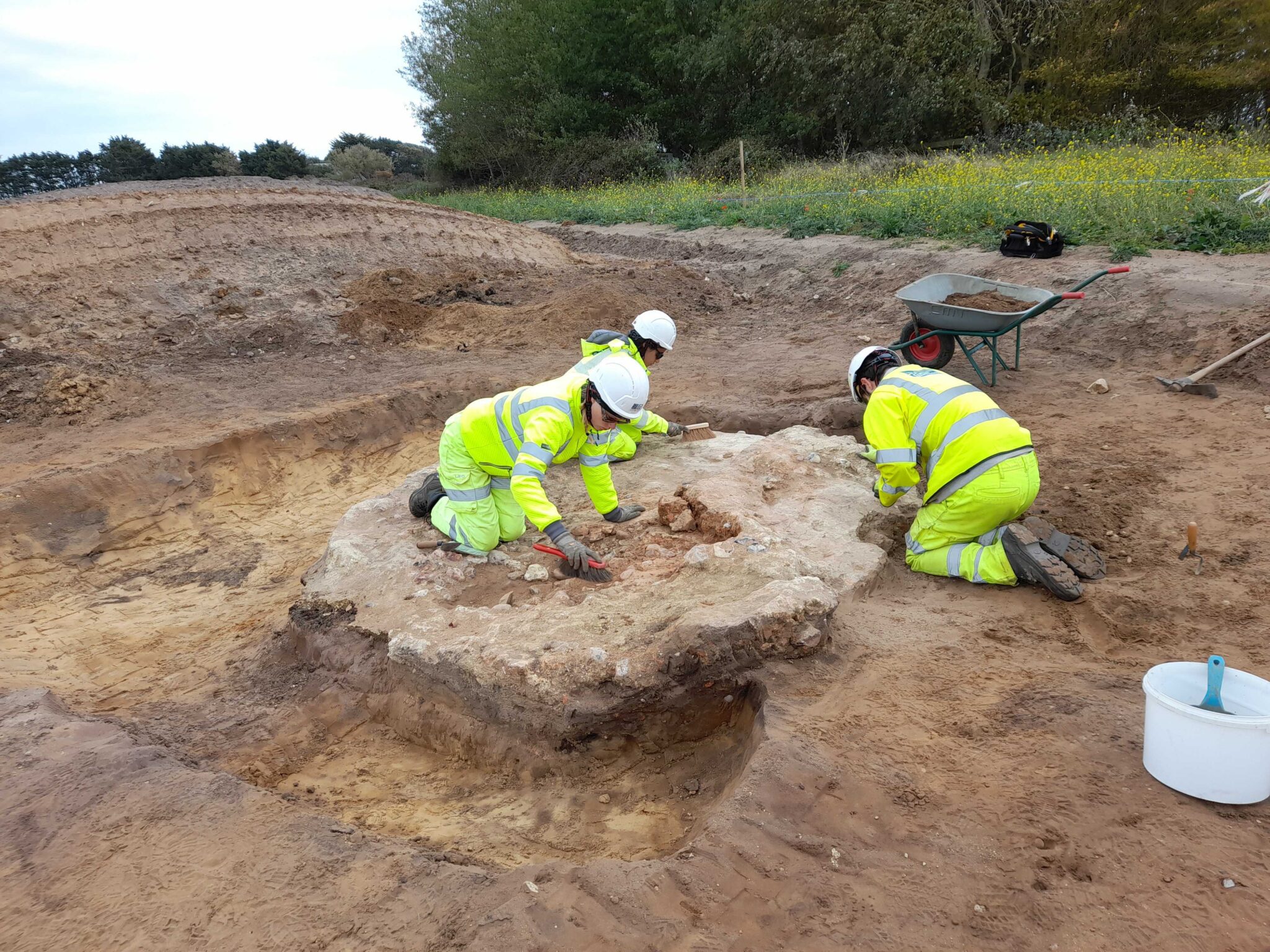
The Anglo-Saxons who called the village home lived in wooden longhouses, which archaeologists said measured as much as 19m long and 6m wide.
Evidence has pointed to the village being abandoned by the end of the 1300s, with archeologists continuing to study the reasons behind the settlement’s demise.
One element of the village has survived however – with a modern public right of way perfectly aligned with the early medieval buildings, suggesting it has been in use since at least the Anglo-Saxon period.
Michael Hotze, ScottishPower Renewables’ Project Execution Director for East Anglia TWO said: “East Anglia TWO is about providing a cleaner, greener future for the region and the UK, but it’s doubly rewarding to be able to offer new insights into East Anglia’s history too.
“Preserving both the environment and heritage are a key part of our approach, and it’s great to see this ethos shared by the excellent teams at MOLA-Wessex Archaeology.”
Work to analyse the excavation’s findings are continuing, with a deeper dive into the discovery set to be shared in a free online webinar next year.
More details on the webinar and how to book a ticket can be found here.
